

Chilled Goods Transport in Winter South Africa | LMC Express
Why Transporting Chilled Goods in Winter Requires Extra Care
When winter arrives, many people assume that transporting chilled goods becomes less challenging because the outside temperature is cooler. However, chilled products often face greater risks during winter than many realise.
Unlike frozen products, chilled goods must be maintained within a specific temperature range. If temperatures become too warm or too cold, product quality can be affected, making temperature management a critical part of the supply chain.
Chilled Products Can Freeze
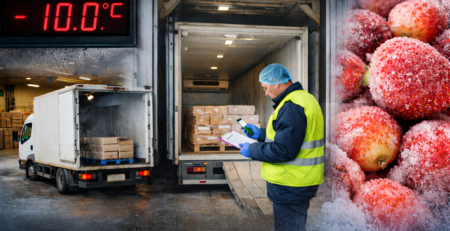
One of the biggest hidden risks of transporting chilled goods during winter is accidental freezing.
Products such as dairy, fresh produce, beverages and certain pharmaceutical items are designed to remain chilled, not frozen. Exposure to excessively cold temperatures can alter texture, appearance and quality, potentially making products unsuitable for sale or consumption.
Maintaining the Correct Temperature Range
The goal of refrigerated transport is not simply to keep products cold. It is to keep them within their specified temperature range throughout the journey.
This requires carefully calibrated refrigeration systems and continuous monitoring to ensure products remain protected regardless of external weather conditions.
Loading and Unloading Require Special Attention
Winter temperatures can have a significant impact when vehicle doors are opened during loading and delivery activities. Sudden exposure to cold air can affect the temperature of sensitive chilled products, particularly when deliveries involve multiple stops.
Efficient loading processes and minimising door opening times help maintain product integrity.
Weather Conditions Can Disrupt Deliveries
Winter weather can lead to road delays, traffic disruptions and longer transit times. For chilled products with limited shelf life, these delays can have a direct impact on product freshness and customer satisfaction.
Proactive route planning and real-time visibility help reduce the risks associated with winter transport conditions.
The Importance of Temperature Monitoring
Continuous temperature monitoring provides visibility throughout the transport process and allows logistics teams to identify potential issues before they become serious problems.
At LMC Express, temperature-controlled transport plays a vital role in protecting chilled goods and ensuring customers receive products that meet quality and safety requirements.
Conclusion
Transporting chilled goods during winter is about much more than keeping products cold. It requires maintaining precise temperatures, preventing accidental freezing and managing the challenges associated with winter weather.
With the right equipment, processes and expertise, businesses can protect product quality and maintain an efficient cold chain throughout the colder months. At LMC Express, we recognise that every degree matters when transporting temperature-sensitive goods.







Leave a Reply