

Pallet Preparation Guide for Freight Transport | LMC Express
The Perfect Pallet Starts with the Basics
In logistics, the smallest details carry the biggest weight. A pallet may look unremarkable — a few planks of wood, a stack of boxes — but in the world of freight transport, how that pallet is built can mean the difference between a clean delivery and a claim. Damaged goods, unstable loads, and delays at the warehouse door all have one thing in common: they were preventable. And most of the time, prevention starts on the pallet.
At LMC Express, we see pallets every single day. The good ones roll in, load up, and go. The bad ones slow everything down — and sometimes don’t arrive intact. Here’s what separates the two.
Pallet Dimensions That Keep Your Freight Moving
The ideal pallet size is 1m × 1.2m, with a maximum stacking height of 1.8m. These aren’t arbitrary numbers — they’re designed around truck configurations, forklift tolerances, and how freight is positioned in transit to keep your cargo (and everyone else’s) safe.
The golden rule? No overhang.
If your boxes extend beyond the pallet edges, you’re creating a problem before the pallet even leaves your warehouse. Overhanging freight is more likely to:
- Get crushed under adjacent loads
- Shift or topple during transit
- Damage neighbouring freight
- Create instability that affects the entire truck load
A clean, square pallet — contents flush with the edges — is always the safest and most efficient option. If it looks neat in the warehouse, it’ll travel well on the road.
Four-Way Entry: The Feature That Saves Time
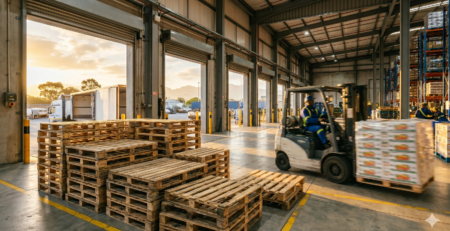
Always use a four-way entry pallet — one that allows a forklift to enter from all four sides. This single feature makes loading and offloading significantly quicker and safer, giving warehouse teams the flexibility to work efficiently regardless of how a vehicle is positioned.
A two-way pallet in a tight loading bay is a frustration that costs real time. Four-way entry pallets keep operations moving without unnecessary handling — and faster handling means fewer opportunities for damage.
Why Pallet Preparation Reflects Your Business
How your freight arrives says something about how you run your business. Well-built pallets communicate professionalism, care, and operational competence. Poorly prepared ones communicate the opposite — to warehouse teams, to drivers, and ultimately to your end customer.
Beyond perception, neat pallets deliver measurable benefits:
- Faster loading times — no reconfiguring or repalletising at the dock
- Improved safety — stable loads reduce handling risks
- Fewer damages — contained, well-stacked freight survives the journey
- Professional delivery — your customer receives goods as intended
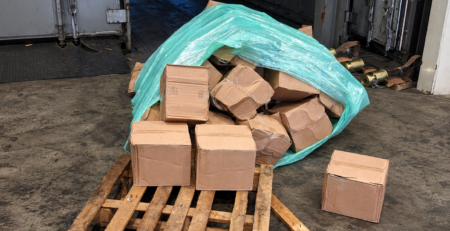
Nobody remembers the perfectly delivered pallet. But everyone remembers the one that arrived damaged, late, or in pieces.
Quick Pallet Preparation Checklist
Before your freight leaves your floor, run through these basics:
- Pallet dimensions: 1m × 1.2m
- Maximum height: 1.8m
- No overhang — all boxes flush with pallet edges
- Four-way entry pallet confirmed
- Load is stable and stretch-wrapped securely
- Fragile or temperature-sensitive items correctly positioned
It takes a few extra minutes to build a pallet properly. It takes far longer to process a damage claim.
Frequently Asked Questions
What happens if my pallet doesn’t meet the standard dimensions?
Oversized or non-standard pallets may not fit the allocated load configuration in the truck, which can cause delays at the depot or result in your freight being repacked before loading. Always confirm dimensions before preparing your consignment.
Do I need to stretch-wrap my pallet before collection?
Yes — stretch wrapping is strongly recommended. It stabilises the load, keeps boxes in position during transit, and protects your freight from dust and moisture. For cold chain shipments in particular, proper wrapping helps maintain temperature integrity.
Can I use a two-way entry pallet if it’s all I have available?
Two-way pallets can be accommodated in some cases, but four-way entry is always preferred. It gives warehouse and transport teams greater flexibility during loading and offloading, reducing handling time and the risk of product damage. Where possible, invest in four-way pallets — they pay for themselves.
Getting the basics right doesn’t require expensive equipment or complex systems — just a bit of care and consistency. If you’re unsure whether your pallets are properly prepared for refrigerated or multi-temperature transport, our team is happy to advise. Contact LMC Express and let’s make sure your next delivery moves without a hitch.







Leave a Reply