
The Hidden Risk Behind Cold Chain Delays | LMC Express
The Hidden Risk Behind Delays and Downtime
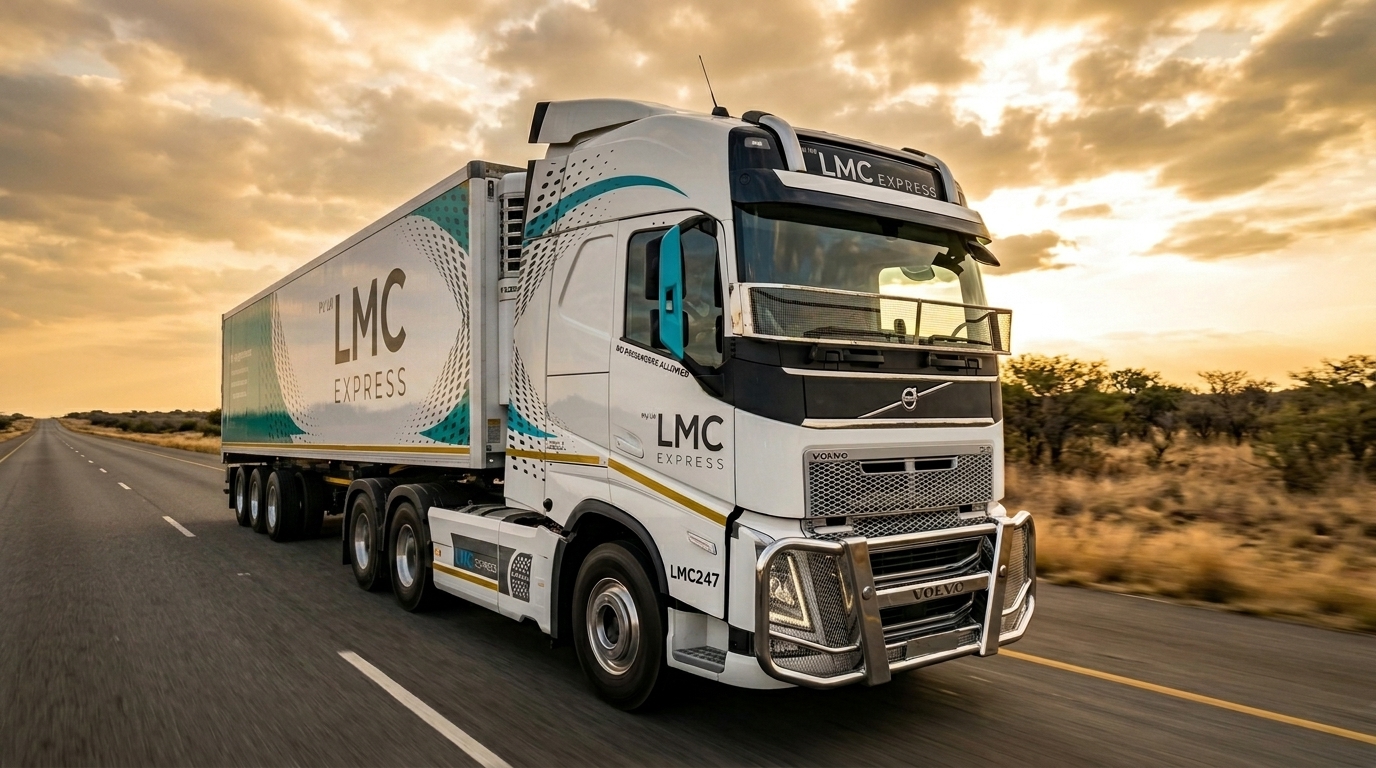
Not every cold chain failure happens on the road. Some of the biggest risks in refrigerated logistics show up when trucks aren’t moving at all — and that’s a conversation the industry hasn’t been having loudly enough.
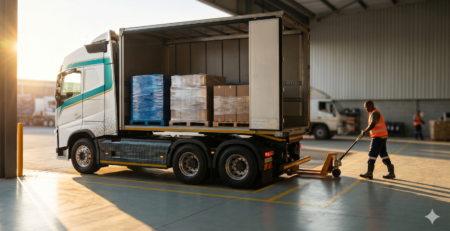
Across South Africa, delays at facilities and ports are getting worse. Around major hubs like the Port of Durban, extended holding times mean refrigerated loads are spending more and more time stationary. And stationary time? It’s wildly underestimated.
What Happens When a Truck Stands Still
When a truck is delayed, the chain reaction kicks in quietly:
- Refrigeration units run continuously at a high cost of diesel consumption
- Door openings become more frequent as cargo gets checked, restacked, or inspected
- Temperature recovery takes longer after every single interruption
Over time, these aren’t dramatic failures — they’re subtle shifts in product condition that accumulate. And that’s before you factor in what’s happening upstream.
The Problem Starts Before the Truck Leaves
Energy instability across South Africa means that inconsistent power supply is affecting pre-cooling and cold storage at origin points. Trucks are often handed product that’s already vulnerable before the journey even begins. The cold chain doesn’t start at the loading bay — it starts long before that.
Core Hidden Costs of Standing Time
Standing time—defined as any period a transport vehicle is idle, waiting, or moving below optimal speed—represents a major “hidden” cost in the logistics sector, often far exceeding direct fuel expenses. These costs are rarely fully captured in traditional cost-per-kilometer metrics, directly eroding profit margins and reducing operational efficiency.
- Lost Revenue and Asset Utilisation: Trucks not moving are not generating revenue. Standing time reduces the number of trips a vehicle can make, wasting the fixed costs (depreciation, insurance, licenses) already spent on that asset.
- Driver Compensation: Drivers must be paid while waiting at loading docks, stuck in traffic, or delayed at border posts, driving up labor costs without increasing output.
- Fuel Inefficiency: Idling engines burn fuel while producing zero kilometers, contributing to wasted operating expenses.
- Contractual Penalties & Reputation Loss: Delays result in missed delivery windows, triggering penalties (demurrage) and damaging relationships with customers.
- Compromised Product Quality: For agricultural or perishable goods, extended standing time leads to cargo degradation, causing lower grading or outright spoilage.
Common Causes of Idle Time
- Loading/Unloading Delays: Inefficient warehouse scheduling or overloaded facilities result in trucks waiting, sometimes for days.
- Infrastructure Bottlenecks: Road congestion, potholes, roadworks, and traffic congestion can turn a 1-day trip into a 2-day trip.
- Documentation Issues: Delays at customs and poor administrative processes keep vehicles parked at borders.
How to Mitigate the Costs
- Use Time-Based Costing: Instead of only tracking cost-per-kilometer, operations should use a standard-based costing system that combines distance costs and fixed costs per hour.
- Adopt Technology: Implementing IoT and real-time tracking can help optimize routes and monitor compliance.
- Leverage Logistics Partners: Utilizing specialized logistics providers can reduce delays and manage risks better.
In competitive markets like South Africa, these inefficiencies contribute heavily to the estimated billions lost annually, making the mitigation of standing time a top priority for operational survival
Why the Industry Is Changing Its Questions
This is exactly why more operators are investing in:
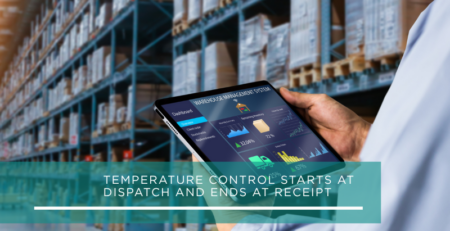
- Real-time temperature monitoring
- Remote tracking systems
- Data-driven accountability tools
Because the question has changed. It’s no longer just “Did the truck stay cold?” It’s “What happened to the product before, during, and after the delay?”
Visibility Is No Longer Optional
In today’s environment, visibility isn’t a luxury. It’s a safeguard.
The longer a product spends in uncertain conditions, the harder it becomes to protect its quality — and once that window closes, it doesn’t reopen. In refrigerated transport, time isn’t just money.
It’s shelf life.




Leave a Reply