
Warehouse Housekeeping for SA Logistics | LMC Express
The cost of a disorganised warehouse is invisible — right up until it isn’t. A trip over a loose pallet strap. A forklift scraping through an obstructed aisle. An order picked from the wrong location because signage is buried under last week’s packaging waste. These aren’t freak accidents. They’re predictable consequences of letting warehouse housekeeping slip.
Good warehouse housekeeping doesn’t get talked about enough. There’s no technology to buy, no software to implement. It’s discipline — consistent, daily, non-negotiable. And the operations that take it seriously run faster, safer, and with fewer costly mistakes than those that don’t.
Warehouse Housekeeping in South Africa: A Safety Issue Before Anything Else
Obstructed walkways, packaging waste on the floor, misplaced pallets in traffic lanes — these aren’t just untidy. They’re hazards. In a busy warehouse where forklifts and pedestrians share tight spaces, the difference between an organised floor and a cluttered one can be the difference between a normal shift and a serious incident.
Clear walkways, properly stored equipment, and clean working surfaces aren’t luxuries. They’re the baseline conditions that allow people to do their jobs safely. Every slip, trip, or forklift incident that results from poor housekeeping is preventable — and preventable incidents have no place in a professional logistics operation.
In a South African context, where warehouse operations often run multiple shifts and high throughput creates ongoing housekeeping pressure, building cleanliness into daily workflows — not just weekly cleaning schedules — is what separates safe operations from reactive ones.
How Clutter in a Warehouse Damages More Than Just Your Floor Plan
A disorganised warehouse doesn’t just create safety risks. It damages product. When aisles are blocked, goods get moved carelessly. When storage areas are cluttered, stock gets stacked incorrectly. Products that should sit on shelving end up on the floor. Pallets that should be accessible get buried behind others. Somewhere in that disorder, something gets damaged that never should have been.
For clients entrusting a logistics provider with their inventory, product damage during storage is a genuine concern — and one that proper housekeeping standards directly address. When goods are stored correctly, accessed without obstacle, and moved through clear, well-maintained aisles, damage rates drop. It’s not a coincidence.
Organised Warehouse Space Means Accurate Stock
Inventory accuracy doesn’t begin with counting software. It begins with knowing where things are. When products are stored in clearly identified, consistently maintained locations, stock is easy to find, easy to count, and easy to manage.
The flip side is equally predictable: when housekeeping standards slip, locations drift. Stock ends up in the wrong bay. Pick errors increase. Time is lost locating items that should take seconds to find. For operations running on tight schedules — where a late pick cascades into a late dispatch and a missed delivery window — this isn’t a minor issue. It’s a service failure waiting to happen.
The Efficiency Multiplier Nobody Puts on a Dashboard
Warehouse efficiency metrics focus on throughput, fill rates, and turnaround times. What rarely appears on a dashboard is the time wasted navigating a cluttered floor.
Time spent moving obstacles before a task can begin. Time lost because the picking path is blocked. Time spent searching for equipment that should have been returned to its marked position. Individually, these feel like small inefficiencies. Cumulatively, across a full shift and a full team, they represent a meaningful drag on productivity — one that disappears almost entirely in a well-kept warehouse.
Housekeeping Is a Culture, Not a Once-a-Week Clean
The warehouses that operate at the highest standard don’t treat housekeeping as an event. They treat it as a continuous operating condition — part of every shift, built into every workflow, owned by every team member.
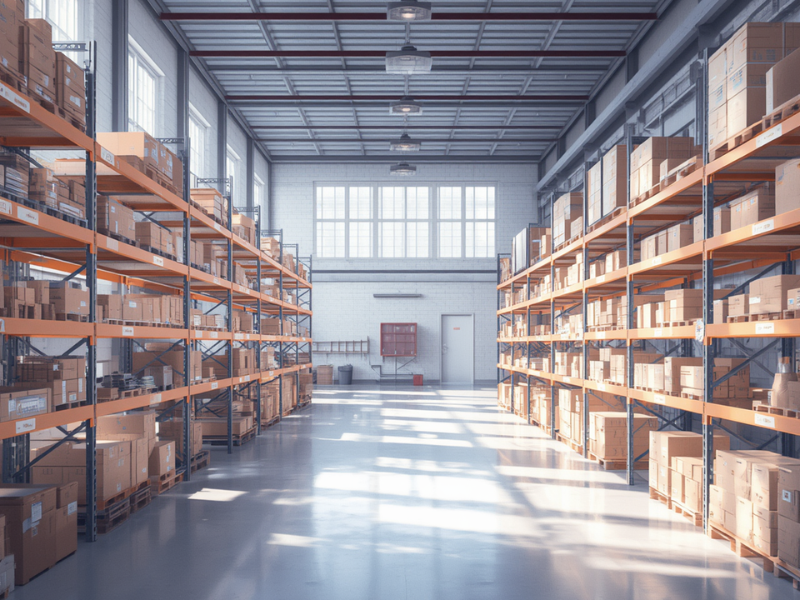
That cultural commitment shows up in the details: packaging waste removed throughout the day. Equipment returned to marked positions after every use. Spills addressed immediately. Aisle markings kept clear and visible. It takes discipline to sustain — and it makes everything else measurably better. Safety. Accuracy. Efficiency. Service delivery.
At LMC Express, high housekeeping standards are part of how we run our warehousing and distribution operations. A well-kept warehouse isn’t just a cleaner environment — it’s a faster, safer, and more accurate one. And that translates directly into better outcomes for our customers.
Frequently Asked Questions
How does warehouse housekeeping directly affect customer service quality?
A well-kept warehouse is a faster, more accurate warehouse. Stock is easier to locate, picks are completed correctly first time, and goods move through the facility without being obstructed or damaged. All of this flows through to faster order processing, fewer errors, and more reliable delivery performance — which is ultimately what customers experience.
What are the most common housekeeping hazards in a warehouse environment?
The most common hazards include obstructed pedestrian walkways, packaging waste and stretch wrap left on the floor, unsecured pallet straps, poorly lit areas obscured by clutter, and pallets or equipment stored in forklift traffic lanes. Each of these is preventable through consistent daily housekeeping practices rather than periodic deep cleans.
How do you maintain high housekeeping standards consistently across a warehouse team?
The key is embedding housekeeping into daily operating procedures rather than treating it as a separate task. Designated storage positions for all equipment, clear aisle markings, end-of-shift tidying as a standard expectation, and visible management accountability all contribute to consistent standards. When housekeeping is a team culture rather than a supervisor instruction, it sustains itself far more effectively.
Want to work with a logistics partner that takes operational standards as seriously as service delivery? Contact LMC Express today — and find out how our warehousing and distribution solutions can support your supply chain.

Leave a Reply