
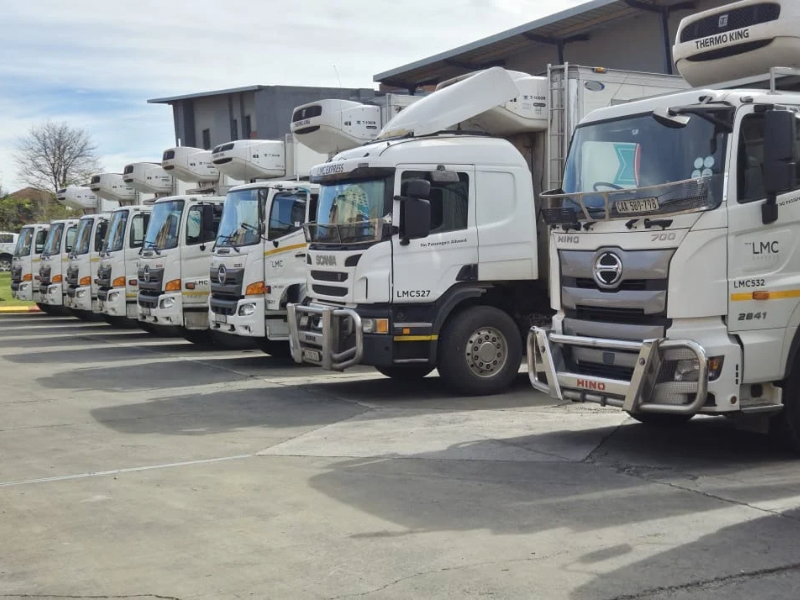
Myth: Large Orders Don’t Always Need a Full Truck
There’s a common assumption in freight planning: once an order gets big enough, you need to book a full truck. It feels logical. Bigger order, bigger vehicle. But that logic doesn’t always hold up once you look at what’s actually being moved.
Look at What You’re Actually Moving
Before locking in a full-load vehicle, it’s worth working through the details of the shipment itself:
What Actually Determines Vehicle Size
- Number of pallets
- Weight
- Dimensions
- Type of goods
- Vehicle capacity
- Collection and delivery locations
- Required delivery timeframe
A large order can still leave a big chunk of a vehicle’s capacity unused. In those cases, a pallet or part-load solution is often the more sensible, and more cost-effective, choice than paying for an entire vehicle to carry half a load.
When a Full Load Actually Makes Sense
To be clear, full truckloads absolutely have their place. A full load is usually the right call when:
Full Load Scenarios
- The shipment uses most of the vehicle’s capacity
- Goods need to move directly between two points with no consolidation
- The delivery is time-sensitive
- There are specific handling requirements
- Your business runs regular high-volume movements
But for businesses with volumes that fluctuate week to week, defaulting to a full vehicle for every large order can end up costing more than it needs to.
Don’t Confuse a Large Order With a Full Load
Good transport planning comes down to matching the vehicle to the shipment, not the shipment to whatever vehicle feels “safe” to book. Businesses should weigh up volume, weight, delivery requirements and urgency before settling on a transport solution.
LMC Express offers a range of options for different shipment sizes, from parcels through to palletised goods and full loads, so you’re not stuck choosing between two extremes.
The goal was never to use the biggest truck available. It’s to use the right capacity for the job.
Frequently Asked Questions
How do I know if my order needs a full truckload or a part load?
Start with pallet count, weight and dimensions rather than order value. If your goods only fill a portion of a vehicle, a part-load or palletised solution is usually more efficient.
Is a part-load service slower than a full truckload?
Not necessarily. Well-planned part-load and consolidated freight services can still meet tight delivery windows, especially when routes are planned around multiple shipments heading the same way.
Can I switch between part-load and full-load depending on order size?
Yes. Most businesses use a mix, depending on volume, urgency and the nature of the goods. A good transport partner will help you decide which option suits each shipment.
Not sure whether your next order needs a full vehicle or a part load? Talk to the LMC Express team and we’ll help you find the right fit for your freight, not just the biggest option on the list.




Leave a Reply