
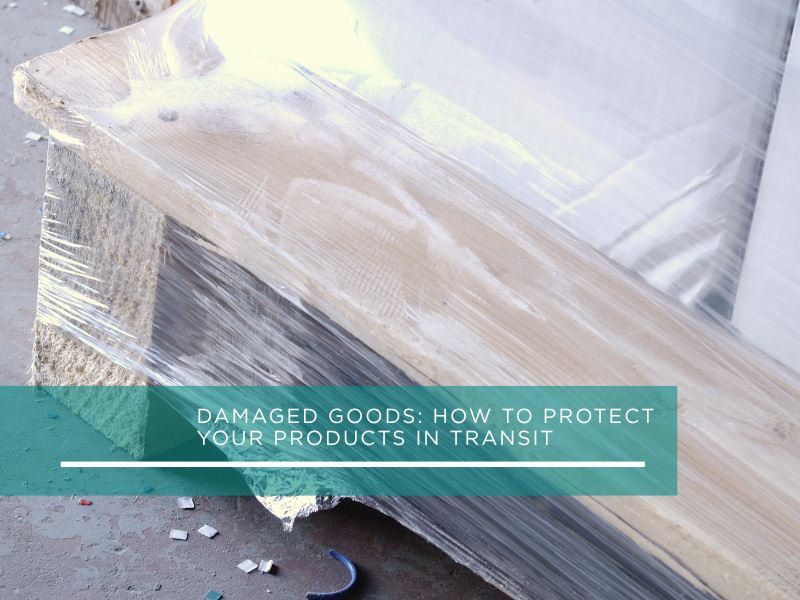
Damaged Goods: How to Protect Your Products in Transit
Nothing sours a customer relationship faster than opening a delivery and finding the product broken, crushed or spoiled.
Damaged goods mean extra costs, replacement orders and unhappy customers. Most of the time, they are also avoidable.
How damaged goods happen in transit
Goods need to be loaded, secured and transported correctly throughout their journey. Damage can happen at several stages: during loading, while being moved between vehicles or in transit.
Fragile items
Fragile products are especially vulnerable if they are not packaged correctly.
Unstable pallets
Pallets can become unstable if goods are stacked unevenly or not secured properly.
Temperature sensitive products
If chilled or frozen goods are not transported under the correct conditions, their quality and safety can be affected.
Reducing the risk of damaged goods
Businesses can protect their products by taking a few simple steps before the truck arrives:
- Use suitable packaging
- Clearly label fragile items
- Secure goods correctly
- Provide accurate handling instructions
- Make sure pallets are stable
- Share temperature requirements in advance
- Confirm any special delivery conditions
Transport providers play their part too. Drivers and warehouse teams must handle goods carefully and follow the correct procedures at every stage.
Protecting your reputation from damaged goods
Damaged goods affect more than the value of the product. They can harm customer relationships and a company’s reputation, too. One bad delivery can undo a lot of good work.
At LMC Express, we understand the importance of careful handling. Whether we are transporting parcels, half pallets, full pallets or refrigerated goods, our team works to make sure products arrive safely and in good condition.
FAQ: damaged goods
How can I reduce the risk of damaged goods?
Use suitable packaging, label fragile items, secure goods properly, keep pallets stable and share handling and temperature requirements in advance.
Why does pallet stability matter?
Unevenly stacked or poorly secured pallets can shift in transit, which puts the goods on that pallet and nearby freight at risk.
What should I tell my transport provider about temperature sensitive goods?
Share the required temperature conditions before collection, so the right transport can be arranged and the goods arrive in good condition.
Protect your goods from the start
If you are unsure how best to prepare a load, contact the LMC Express team and we will help you get it right before it leaves your dock.









Leave a Reply