

Warmer Weather, Greater Responsibility: Protecting Temperature Sensitive Products During Summer
As South Africa moves into the warmer summer months, businesses moving chilled and frozen products carry an important responsibility: maintaining product quality throughout the supply chain.
November signals the start of warmer conditions in many parts of the country. That creates opportunities for the food, hospitality and retail industries, but it also adds pressure for anyone handling temperature sensitive products.
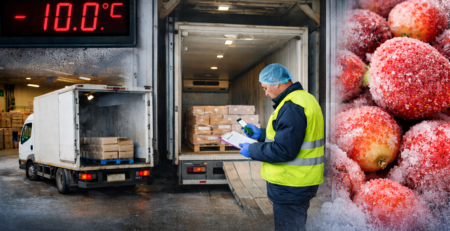
Frozen foods, dairy, fresh produce and other perishables all need the right storage and transport conditions. When temperature management slips, the consequences can be costly.
Why temperature control matters for temperature sensitive products
Temperature sensitive products react to their surroundings. If they are exposed to unsuitable temperatures during storage or transport, both quality and safety can be compromised.
That can mean rejected loads, financial losses and damaged customer relationships. Keeping the right temperature throughout transport is essential.
The cold chain does not start and end with the truck
An effective cold chain has several stages. It starts with proper storage, continues through preparation and loading, and carries on through transport until the goods reach their final destination.
Everyone involved has a responsibility to follow the right handling procedures. A refrigerated vehicle alone cannot make up for poor preparation or incorrect handling before collection.
Loading and offloading need careful coordination
In warmer weather, one of the biggest risks is unnecessary exposure to outside temperatures.
- Have products ready before the vehicle arrives
- Coordinate loading to keep delays to a minimum
- Offload efficiently at delivery points
Good communication between suppliers, warehouse teams and transport providers cuts down waiting times and keeps products protected.
Different products have different requirements
Not all temperature sensitive products travel the same way. Frozen goods, chilled products and fresh produce may need different temperature conditions depending on their specifications.
Share these requirements clearly with your transport provider before collection. Understanding the cargo is a key part of choosing the right transport solution.
Protect your products with reliable refrigerated transport
For businesses dealing in perishable goods, dependable temperature controlled transport is part of protecting the investment. At LMC Express, we take careful handling and reliable refrigerated transport of chilled and frozen products seriously.
As temperatures rise, now is a good time to review your cold chain arrangements and make sure your products get the attention they need.
When it comes to temperature sensitive goods, protecting product quality is protecting your business.
FAQ: temperature sensitive products in summer
Which products count as temperature sensitive?
Common examples include frozen foods, dairy, fresh produce, meat, seafood and other perishables that must be kept within a specific temperature range.
Is a refrigerated truck enough to protect the cold chain?
No. Storage, preparation, loading and offloading all play a role. The truck protects the goods in transit, but the cold chain can break before or after the journey.
What should I tell my transport provider before collection?
The type of product, the required temperature range, the quantities and any special handling needs, so the right vehicle and process can be arranged.
Want to check your cold chain is summer ready? Contact LMC Express to discuss refrigerated transport for your products.








Leave a Reply