

Fewer Boxes, Fewer Problems
Why less can be more
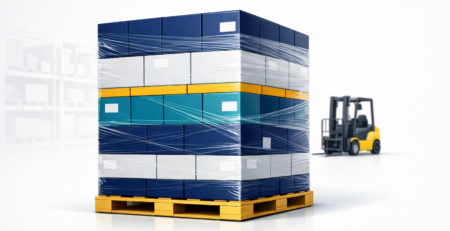
When it comes to stacking pallets, many people believe the more boxes you can fit, the better. While that might seem efficient, it can actually increase the risk of damage during transport. A smarter approach is to focus on protecting the goods — and that means sometimes packing less, not more.
Leave a safety buffer on the sides
By leaving a small space on the sides of the pallet, you create a safety buffer for your products. This gap prevents boxes from being squeezed too tightly or pushed up against other pallets and truck walls. On the road, pallets can shift slightly, and without this buffer, that movement could lead to crushed corners, torn packaging, or dented products.
One less box per layer
Reducing the load by one box per layer is another simple yet highly effective change. It might seem like a small sacrifice in quantity, but it has a big impact on quality. With less weight pressing down from above, the bottom boxes keep their shape and strength, reducing the likelihood of damage before they reach their destination.
The payoff
These two steps — side spacing and reducing boxes per layer — work together to create a stronger, more stable pallet load. This doesn’t just protect the products; it also saves time and money by avoiding product returns, replacements, and unhappy customers.
Bottom line
In the end, stacking is about more than just fitting items on a pallet. It’s about making sure your products arrive in perfect condition, ready for the shelves or the customer’s door. And when that happens, everyone wins.
Summary:
Leaving side space and packing one less box per layer keeps pallets stable, products safe, and customers happy — proving that less can truly be more.






Leave a Reply