

Myth: Logistics Is More Than Just A to B Delivery
Say the word “logistics” to someone outside the industry, and they’ll usually picture a truck driving from Point A to Point B. Simple enough, right? Collect the goods, deliver the goods, job done.
In reality, that’s only a small slice of what makes a delivery actually work.
Logistics Starts Before the Truck Even Arrives
Long before goods leave the warehouse, a number of details need to be locked down:
What Needs Planning First
- Shipment preparation
- Vehicle requirements
- Collection times
- Delivery addresses
- Delivery windows
- Special handling instructions
- Customer requirements
Get any of these wrong, or fail to communicate them clearly, and problems can crop up before the vehicle has even left the yard.
What Happens Once Goods Are in Transit
Once a shipment is on the road, things don’t run on autopilot. Traffic, delays, incorrect information or receiving issues at the other end can all throw a spanner in the works.
Having visibility of the shipment during transit, and the ability to respond quickly when something doesn’t go to plan, is what separates smooth deliveries from stressful ones. Good communication means problems get flagged early, and customers stay in the loop instead of finding out something went wrong after the fact.
Logistics Is Really About the Customer
Your customers will probably never see your warehouse or your transport operation. But they absolutely feel the results.
They notice when goods arrive:
What Customers Actually Notice
- Late
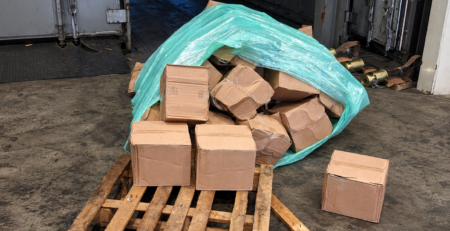
- Damaged
- Incomplete
- At the wrong location
Which is exactly why logistics and customer service are so closely tied together. Good logistics means the right goods reach the right place, at the right time, in the right condition. It’s a lot more than a straight line on a map.
At LMC Express, transport planning takes the full journey into account, not just the route between two pins.
Frequently Asked Questions
What’s the difference between logistics and transport?
Transport is the physical movement of goods. Logistics is the full picture: planning, coordination, communication and problem-solving that makes sure that movement actually succeeds.
Why does communication matter so much in logistics?
Because most delivery problems, like delays, access issues or incorrect details, can be resolved quickly if they’re caught early. Poor communication turns small hiccups into missed deliveries.
How does logistics affect customer experience?
Directly. Customers judge a business by whether their order arrives on time, complete and undamaged, even if they never see the logistics operation behind it.
Want a transport partner who thinks about the whole journey, not just the drive between two addresses? Get in touch with LMC Express today.








Leave a Reply